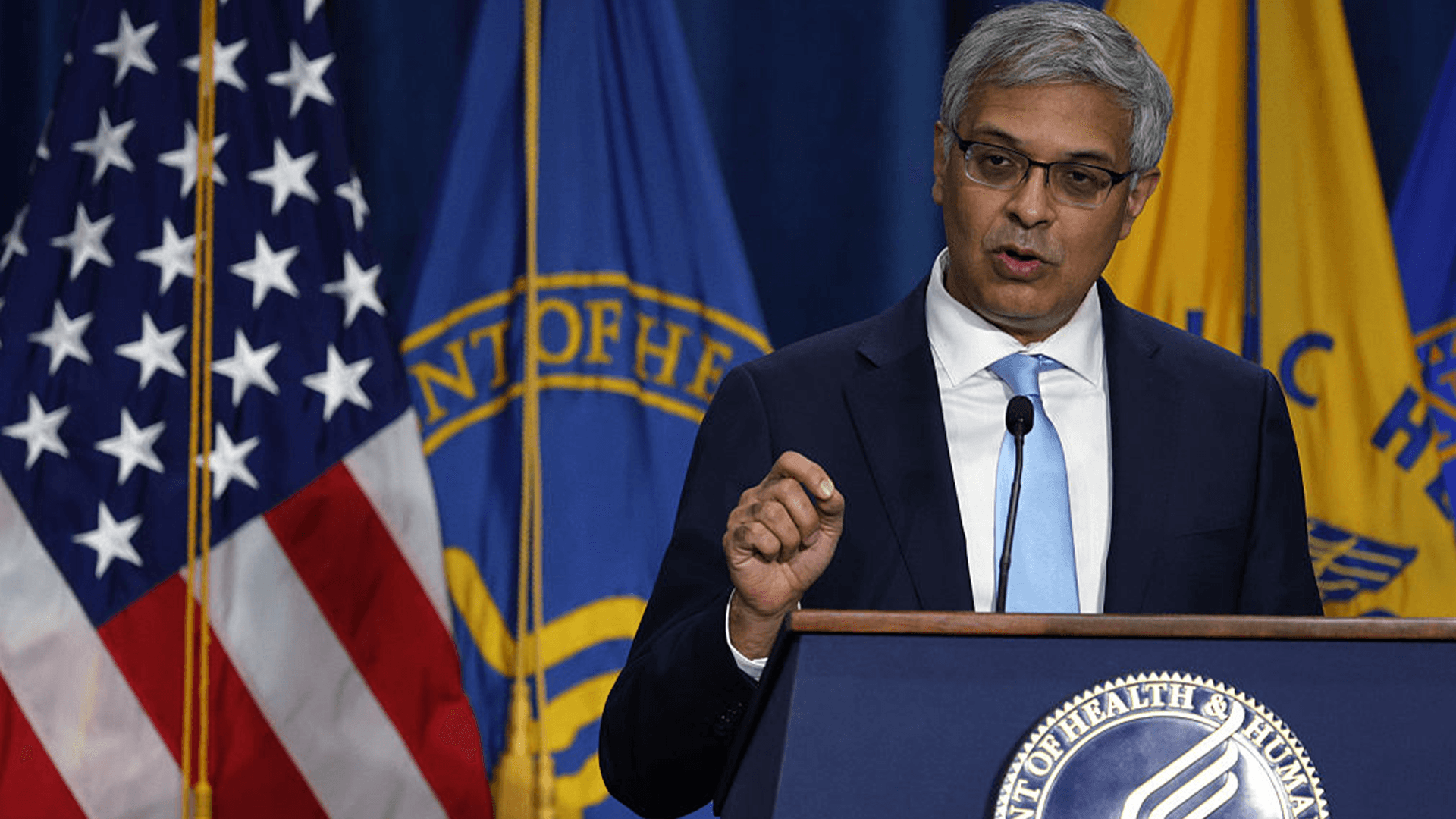
The National Institutes of Health (NIH) will not renew DEI-related grants in 2026.
As AFROTECH™ previously reported, following a settlement agreement, the Trump administration announced it would review applications that had been frozen as a result of DEI efforts. The NIH had previously cut $783 million in grants for this reason, a move that the Supreme Court approved in August 2025.
NIH officials “will complete their consideration of the Applications in the ordinary course of NIH’s scientific review process, without applying the Challenged Directives,” according to News From The States, and this will apply to grant applications that were made up to Sept. 29, 2025.
The decision has already led to the approval of more than 100 previously paused grants, STAT reports. However, NIH Director Jay Bhattacharya said those actions will not reflect the agency’s direction in 2026.
In an interview with Journalist Paul Thacker, Bhattacharya stated that the DEI work the NIH has prioritized for more than a decade did not improve the health of minority populations.
“Our mission at the NIH is to do research that improves the health and well-being of and longevity of Americans. And yet minority populations face tremendous chronic disease problems along with the rest of the country, frankly. Chronic disease problems, life expectancies has flatlined, tremendous health problems, and the NIH’s work did not work, especially on DEI … You can see that it didn’t. So I think that that the shift away from DEI is of a piece with the rest of what we’re trying to do at the NIH, which is to do research that actually makes the lives of people better … I think that’s going to pay dividends over the next few years,” he said in the interview.
Bhattacharya also mentioned that DEI-related grants will not be renewed by the NIH in the new year. It was only as a result of a court order, that they were forced to restore grants, he explained.
“I put out a priority statement a couple months after I became director where I said, ‘Look, DEI, we are interested in in improving minority health but we’re not interested in funding DEI.’ The courts essentially have said — I think as best as I can understand the legal aspects of things — that for those grants that were paused, that they forced us to restore, we can’t cut them. But when it comes to renewal, those grants no longer meet NIH priorities,” he mentioned in the interview.